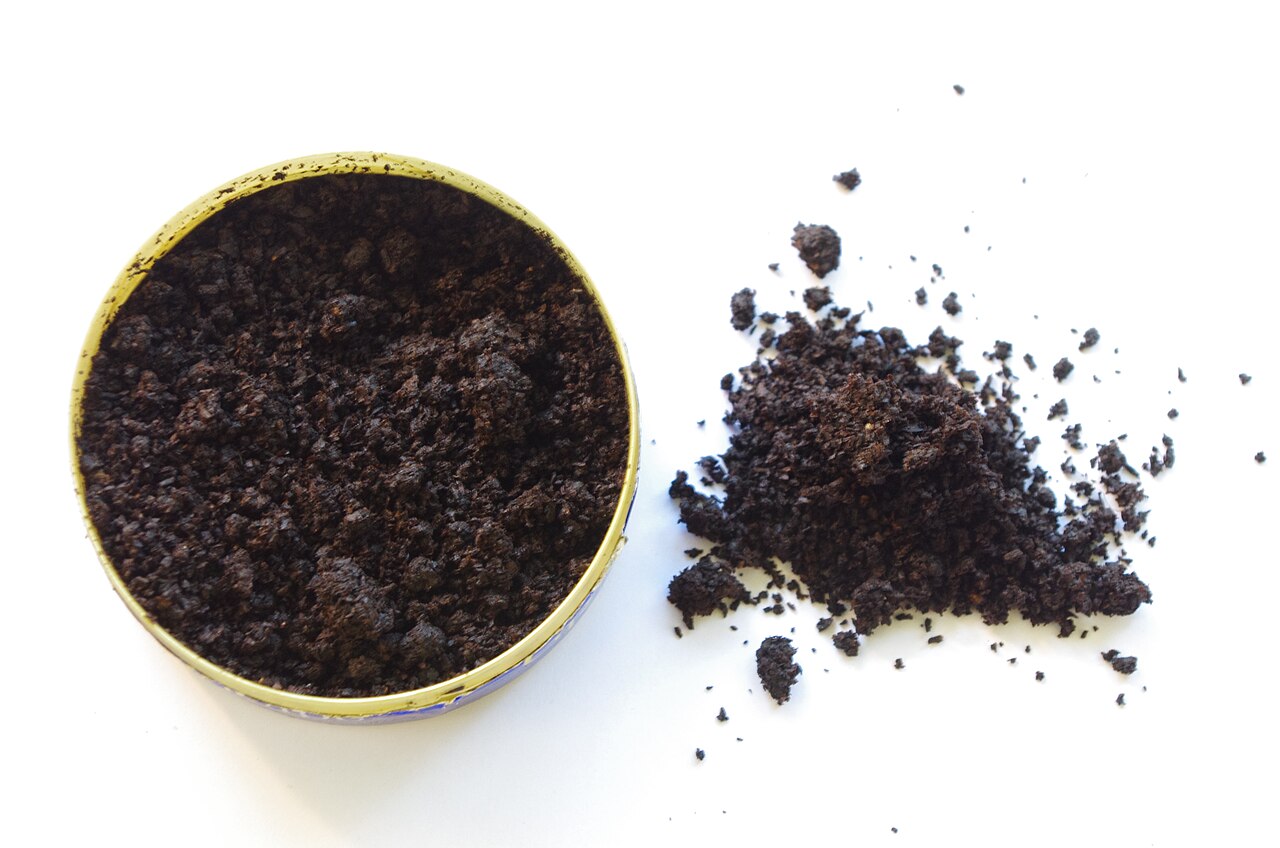
Your body starts healing the moment you stop using snus. But the first few days can feel brutal — and knowing what's coming makes all the difference. Here's a science-backed timeline of what to expect, from the first hours through your first year snus-free.
The first 24 hours
Within 20 minutes of your last pouch, your heart rate and blood pressure begin returning to normal. Nicotine has a half-life of about two hours, so by the end of the first day, most of it has left your bloodstream.
This is also when cravings begin. They're intense but short — most last 3 to 5 minutes. The trick is having a plan for those minutes.
Days 1–3: Acute withdrawal
This is the hardest stretch for most people. Your body is adjusting to the absence of nicotine, and it's not subtle:
- Irritability — everything feels more frustrating than it should
- Difficulty concentrating — your brain is recalibrating its dopamine pathways
- Sleep disruption — nicotine affects your circadian rhythm
- Increased appetite — nicotine suppresses appetite; without it, hunger returns
- Mouth sensitivity — your gums may feel tender or swollen as healing begins
The good news: your gum inflammation is already starting to reduce. And your sense of taste is beginning to come back.
Days 4–5: Peak withdrawal
For many people, this is the summit. Cravings peak in frequency and intensity. But your body is making real progress — carbon monoxide levels have normalized, and your blood oxygen is improving.
This is when a crisis toolkit matters most. Box breathing, pattern interrupts, and even simple visuospatial tasks (like a memory game) have been shown to reduce craving intensity by up to 24%.
Days 6–13: Early recovery
The acute symptoms start to ease. Cravings become less frequent, though they can still ambush you — especially around triggers you haven't encountered yet (a certain time of day, a specific social setting).
Your gums are healing noticeably. Tissue color is returning to normal, and any lesions at the pouch site are beginning to resolve.
Weeks 2–4: Psychological withdrawal
The physical dependence is largely over, but the psychological habit is still strong. You might find yourself reaching for a can that isn't there, or feeling a craving triggered by stress, boredom, or social situations.
This is where mood tracking becomes powerful. Seeing your irritability scores drop week over week is concrete proof that it's getting better — even when it doesn't feel like it.
Months 2–6: Stabilization
Cravings become rare and mild. Your oral health continues improving — gum tissue is rebuilding, and your risk of gum disease is dropping measurably. Most people report feeling "normal" again during this period.
6 months to 1 year: Long-term recovery
By six months, your risk of oral health complications has dropped significantly. By one year, your oral cancer risk is approaching that of someone who never used snus.
You've also built something harder to measure but equally real: a new identity. You're not "someone who's quitting." You're someone who doesn't use snus.
"The cravings stopped feeling like emergencies somewhere around week three. By month two, I'd go whole days without thinking about it." — Quit Snus user
How Quit Snus helps at each stage
Quit Snus maps your journey across 7 clinically-informed withdrawal phases — from Acute through Free & Clear. At each stage, the app adapts its tips, challenges, and encouragement to match what you're actually going through.
During the hardest days, the crisis toolkit is one tap away. During the longer psychological phase, mood tracking gives you proof that it's working. And the 11 gum health milestones show you exactly how your body is recovering — something no other quit app tracks.